
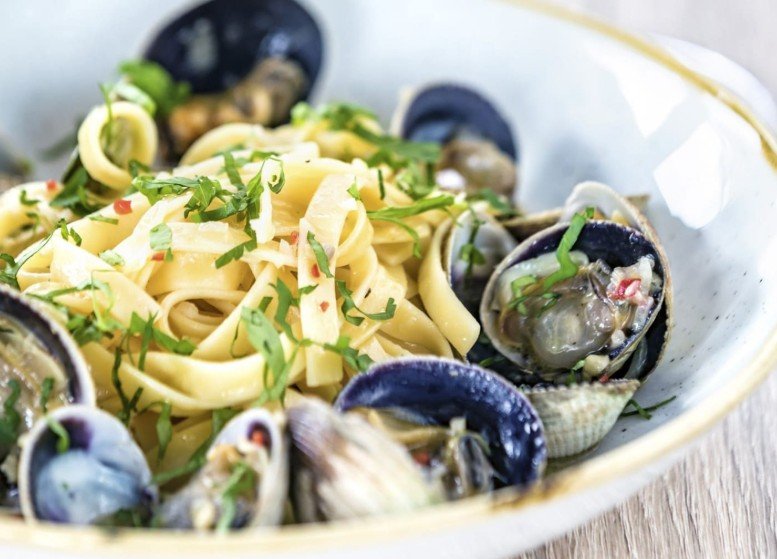
Food Photographer Techniques Every Beginner Should Master
Food Photographer Tools That Transform Your Food Shots
Basic Information
Capturing food in its most appetizing form is an art that blends creativity, technical expertise, and an understanding of visual storytelling. In the digital age, where every dish competes for attention on social media feeds and restaurant menus, becoming a skilled Food Photographer requires more than just a good camera. It demands a deep appreciation for color, texture, light, and composition. Whether you’re photographing for your personal blog or working alongside commercial photographers Melbourne relies on for professional shoots, mastering a few essential techniques can help you elevate your food photography game from ordinary to extraordinary.
Understanding the Fundamentals of Lighting
Lighting is the cornerstone of great food photography. The way light interacts with the food determines its texture, depth, and visual appeal. Natural light is often the best starting point for beginners, as it creates soft shadows and a realistic look. Position your food near a large window to allow diffused daylight to illuminate the scene.
Avoid direct sunlight, as it can create harsh shadows and overexposed areas. Instead, use white reflectors or foam boards to bounce light back onto the food, creating a balanced exposure. For indoor or studio setups, continuous LED lights can replicate daylight and offer greater control. The goal is to make the dish look as fresh and appetizing as possible, with highlights that enhance its natural details.
Mastering Composition and Framing
The way food is arranged within the frame can make or break a photograph. Effective composition guides the viewer’s eye and creates visual harmony. One of the most popular approaches is the “Rule of Thirds,” where the subject is positioned off-center to make the image more dynamic.
Experiment with different angles:
-
Top-down shots work beautifully for flat dishes like pizzas, salads, or desserts.
-
45-degree angles provide a balanced view that captures both the depth and surface texture of the food.
-
Eye-level shots are best for dishes with height or layers, such as burgers or beverages.
Props play a crucial role as well. Napkins, utensils, or cutting boards can add context and character, but should never overpower the main subject. Minimalism is often more effective—let the food speak for itself.
Styling the Food for the Camera
Food styling is an art in itself. Even the most delicious meal can appear dull on camera if not styled properly. Start by using fresh ingredients with vibrant colors and defined textures. Pay attention to plating – a messy arrangement can distract from the dish’s appeal.
Use garnishes like herbs, sauces, or a sprinkle of powdered sugar to add depth and contrast. Avoid over-styling; authenticity is key. Viewers should feel as if they could reach out and taste the dish. Many successful Food Photographer professionals work closely with stylists to achieve this perfect balance between realism and aesthetic appeal.
Choosing the Right Equipment
While creativity often outweighs gear, the right equipment can significantly improve your results. A DSLR or mirrorless camera with a good macro lens (such as a 50mm or 100mm) is ideal for capturing fine details like steam, crumbs, or the glisten of a sauce. A tripod ensures stability, especially when shooting in low light or using slow shutter speeds.
In post-production, software like Adobe Lightroom or Photoshop can enhance brightness, color balance, and sharpness. However, avoid excessive editing; the aim is to enhance the food’s natural beauty, not alter it completely. Subtle adjustments often deliver the most professional-looking results.
Working with Color and Texture
Color harmony can transform an image from average to captivating. Use complementary colors to make the food pop—think of a bright red strawberry against a white plate, or a green salad against a rustic brown background.
Texture adds dimension and realism. Soft, creamy foods benefit from contrasting textures like a crunchy garnish or rough linen background. Pay attention to patterns and materials—ceramic plates, wooden boards, and metallic cutlery all contribute to the visual story. Successful commercial photographers Melbourne depend on a keen sense of these details to create mouthwatering visuals that engage the viewer instantly.
Capturing Emotion and Story
Beyond aesthetics, every great food photograph tells a story. It could be the warmth of a home-cooked meal, the elegance of fine dining, or the rustic charm of a countryside breakfast. Try to convey emotion through lighting, props, and composition.
A simple loaf of bread photographed beside a dusting of flour and a wooden rolling pin tells a story of craftsmanship and tradition. Adding human elements—like a hand pouring syrup or slicing fruit—introduces movement and relatability, drawing viewers into the moment.
The Importance of Consistency and Practice
Becoming a skilled Food Photographer doesn’t happen overnight. Like any creative profession, it requires consistency, experimentation, and continuous learning. Set up personal projects, try different cuisines, and study the works of established photographers for inspiration.
Join photography communities or online groups to get feedback and share ideas. Over time, you’ll develop a signature style—a blend of technique and vision that distinguishes your work in the competitive field of food imagery.
Collaborating in Commercial Settings
When working professionally, collaboration is key. Many commercial photographers Melbourne work as part of a larger team that includes food stylists, chefs, and marketing professionals. Understanding client goals—whether it’s creating content for a restaurant menu, packaging design, or digital campaign—ensures your images align with the intended message.
Professionalism, time management, and communication skills are just as important as technical knowledge. Delivering consistent, high-quality results builds credibility and opens the door to larger projects in the commercial food photography industry.
Conclusion
Mastering food photography is a journey that blends technical skill with artistic expression. From understanding light and mastering composition to developing a unique visual narrative, each step refines your craft. Whether you’re an aspiring Food Photographer capturing homemade recipes or aiming to collaborate with commercial photographers Melbourne depends on for their campaigns, the key lies in passion, patience, and practice. Over time, your images won’t just showcase food—they’ll evoke taste, texture, and emotion, leaving a lasting impression on every viewer.