
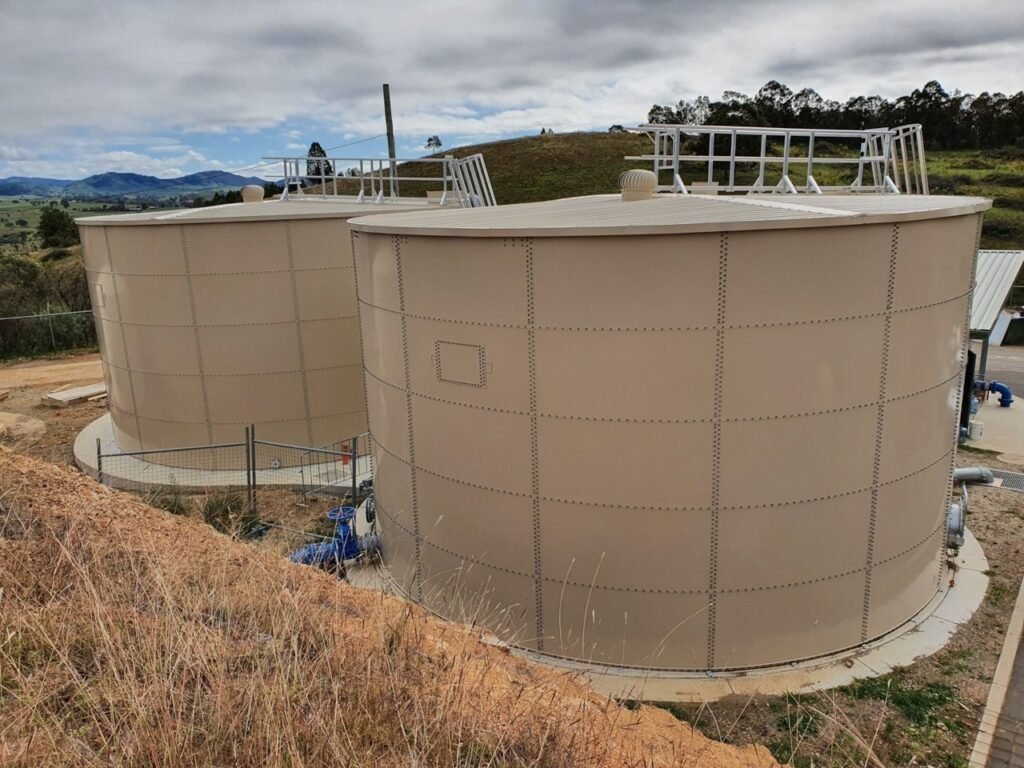
Fire Tanks That Protect Lives When It Matters Most
Fire Tanks Built for Maximum Safety and Durability
Basic Information
The Unseen Heroes of Fire Safety
When disaster strikes and flames threaten lives and property, every second counts. Firefighters depend on reliable sources of water to combat fires swiftly and effectively. Behind this critical response lies a silent yet powerful safeguard — Fire Tanks. These storage systems are designed not only to hold large volumes of water but also to ensure rapid accessibility during emergencies. Their role, though often overlooked, is vital in supporting both urban and rural fire safety infrastructure.
Understanding the Purpose of Fire Tanks
In simple terms, Fire Tanks are specialized water storage units designed to provide an immediate supply of water for firefighting purposes. They can be installed in residential complexes, industrial sites, warehouses, commercial buildings, and even in remote areas where municipal water systems are limited or unavailable.
What makes these tanks indispensable is their ability to act as a stable water reserve during emergencies when natural sources or pipelines may fail. Fire departments, building owners, and safety authorities rely on them as part of comprehensive fire protection systems to minimize damage and loss.
Key Design Considerations for Fire Tanks
The design of a fire tank involves more than just capacity — it demands careful planning, compliance with safety standards, and material selection that ensures durability and longevity. The size and structure of the tank depend on several factors such as the building type, fire risk category, and water requirements specified by local regulations.
One of the most preferred materials for construction is Steel Water Tanks. They offer remarkable strength, corrosion resistance, and long-term reliability compared to alternatives like concrete or plastic. In high-risk environments, such as manufacturing plants or chemical facilities, steel proves ideal because it withstands extreme conditions while maintaining water quality.
In addition, modern fire tanks are often equipped with monitoring systems that track water levels, pressure, and temperature. These technologies ensure readiness at all times, enabling early detection of potential issues before they escalate into safety risks.
The Role of Steel Water Tanks in Fire Protection
The choice of material in fire water storage can determine how effectively a tank performs during critical moments. Steel Water Tanks are particularly valued for their structural integrity and long service life. They are engineered to handle high pressure and extreme temperatures, making them a reliable choice for industrial and municipal fire systems.
Moreover, steel’s non-combustible nature adds an extra layer of safety. In areas exposed to heat and flames, this characteristic ensures that the tank remains intact even under harsh conditions. The flexibility of design also allows steel tanks to be customized to meet specific site requirements — from underground installations to elevated towers.
Maintenance is another area where steel proves its worth. These tanks require minimal upkeep, and when properly coated, they resist rust, leaks, and microbial growth. This means that stored water remains clean and ready for emergency use.
Strategic Placement and Maintenance Practices
For Fire Tanks to function effectively, strategic placement is essential. Tanks must be located close enough to the potential hazard area to allow quick access for fire suppression systems or fire trucks. Many facilities integrate tanks into their sprinkler or hydrant systems, ensuring automatic discharge when sensors detect fire or heat.
Routine maintenance plays an equally important role. Regular inspections, cleaning, and testing of pumps and valves help ensure that the tanks perform when needed most. Many organizations adopt automated monitoring solutions that send alerts for irregular water levels or pressure drops, enabling timely intervention.
Environmental and Regulatory Compliance
Beyond safety, Steel Water Tanks and fire storage systems must meet environmental and regulatory standards. Most jurisdictions have specific codes that dictate the minimum water storage volume, installation procedures, and quality control measures. Compliance not only guarantees operational reliability but also helps organizations avoid legal penalties and insurance complications.
In addition, steel tanks are environmentally friendly due to their recyclability and long lifespan. They contribute to sustainable fire protection strategies by reducing waste and minimizing the need for frequent replacements. When combined with modern energy-efficient pumping systems, they align perfectly with global sustainability goals.
Applications Across Industries
From commercial skyscrapers to remote industrial facilities, the use of Fire Tanks spans across diverse sectors. In residential developments, they serve as an essential component of sprinkler systems, providing rapid water discharge to control fires before they spread.
In industries such as oil and gas, chemical production, and manufacturing, fire tanks act as critical safety buffers, storing large volumes of water to protect valuable assets and personnel. Agricultural sectors also utilize these tanks to safeguard farmlands and processing units located away from municipal water networks.
Furthermore, local governments and disaster management authorities often deploy portable steel tanks for emergency response during wildfire seasons, especially in regions where water scarcity poses additional challenges.
Innovations in Fire Tank Technology
Advancements in engineering and materials have significantly improved the performance of modern fire tanks. Today’s Steel Water Tanks are built with modular designs that allow for easy assembly, transportation, and expansion. Some models incorporate smart sensors connected to IoT systems, offering real-time data on water levels and maintenance needs.
Coating technologies have also evolved, providing superior resistance against corrosion and environmental damage. These innovations enhance the longevity and reliability of fire tanks, ensuring consistent functionality even in demanding environments.
Conclusion
When it comes to fire safety, preparedness is everything. Fire Tanks and Steel Water Tanks play a critical yet often underappreciated role in ensuring that firefighting efforts never fall short due to a lack of water supply. Their resilience, reliability, and adaptability make them a cornerstone of modern fire protection systems across industries and communities.
In moments when every drop counts and every second matters, these tanks stand as silent guardians — protecting lives, property, and the environment with unwavering efficiency. Investing in robust fire water storage solutions today is not merely a safety measure; it is a commitment to safeguarding the future.