
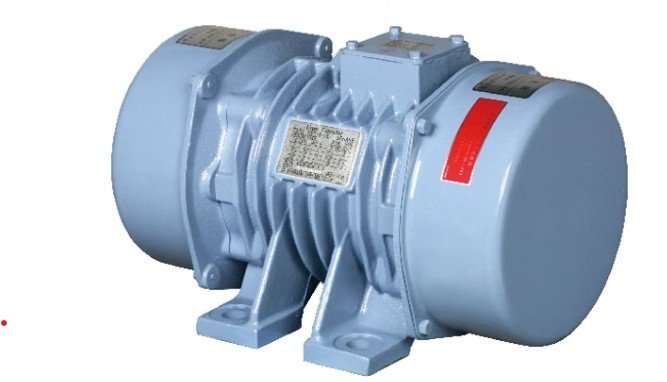
Vibrating Motors That Power Precision and Performance
Vibrating Motors Revolutionizing Modern Engineering
Basic Information
In the modern industrial landscape, efficiency and precision are not just goals — they are essential standards. Whether it’s in mining, construction, manufacturing, or packaging, the need for seamless material movement and dependable vibration technology has become vital. One of the key components driving these industries forward is the Vibrating Motor, a compact yet powerful device that transforms electrical energy into mechanical vibration. These motors are not only enhancing operational performance but also redefining the standards of reliability and control in automated systems.
Understanding the Role of Vibrating Motors
At its core, a Vibrating Motor generates motion through an unbalanced mass attached to its shaft. As the motor rotates, this imbalance creates a steady vibration that can be harnessed for various industrial applications. This simple yet efficient principle allows for uniform vibration, which can be adjusted in frequency and amplitude depending on the requirement.
Unlike traditional drive systems that rely on complex mechanical linkages, vibrating motors offer a direct and controllable method to induce motion. This makes them particularly valuable in industries where materials must be compacted, sorted, conveyed, or screened with precision.
How Vibrating Motors Drive Industrial Efficiency
The strength of a Vibrating Motor lies in its versatility. It can be integrated into a wide range of machinery, providing consistent vibration for enhanced functionality. From compact feeders to heavy-duty screens, these motors ensure that production processes remain smooth and efficient.
One of their most common applications is in Belt Conveyor systems. These conveyors, widely used for material handling in manufacturing and logistics, rely on consistent vibration to maintain even material flow. When a Vibrating Motor is mounted on a Belt Conveyor, it helps in preventing blockages, reducing spillage, and ensuring that the material is evenly distributed. This not only enhances performance but also reduces downtime and maintenance costs.
In industries such as mining and construction, where dust, debris, and uneven material flow can affect output, the role of vibrating motors becomes even more crucial. By generating controlled vibration, they keep the material moving steadily, ensuring that conveyors, screens, and feeders operate at optimal levels.
Design and Working Mechanism
Modern Vibrating Motors are designed to withstand harsh working conditions while maintaining precise control over vibration intensity. They typically consist of:
-
Rotor Shaft with unbalanced weights on both ends
-
Bearings for smooth rotation
-
Casing to protect internal components from dust and moisture
-
Adjustable weights that determine the vibration amplitude
By adjusting these weights, operators can fine-tune the level of vibration required for different materials or tasks. For example, fine powders may require low amplitude and high frequency, while heavier materials may need stronger vibrations to move efficiently on a Belt Conveyor.
Applications Across Industries
Vibrating Motors have a wide range of applications, extending far beyond material handling. Some of the key areas where these motors are used include:
-
Construction and Mining: For compacting soil, sand, and concrete, as well as in screening and sorting equipment.
-
Food Processing: To ensure smooth flow of grains, powders, and granules through conveyor systems.
-
Pharmaceutical and Chemical Industries: For precise mixing, sieving, and filling operations.
-
Packaging and Automation: To aid in smooth packaging line operations by maintaining steady product flow.
In all these applications, integrating vibrating motors with Belt Conveyor systems ensures reliability and consistency — two factors that directly influence production quality and efficiency.
Benefits of Using Vibrating Motors
The growing adoption of Vibrating Motors across industries is no coincidence. Their benefits are measurable and substantial, making them an indispensable component in modern automation. Some of the key advantages include:
-
Enhanced Material Flow: By ensuring uniform movement on conveyors, they prevent clogging and uneven distribution.
-
Reduced Maintenance: With fewer moving parts than traditional systems, vibrating motors minimize wear and tear.
-
Energy Efficiency: Their direct vibration mechanism requires less power compared to complex mechanical drives.
-
Compact Design: Easy to install and integrate into existing systems without major modifications.
-
Precision Control: Adjustable weights allow for precise vibration intensity based on operational needs.
When used in combination with Belt Conveyor systems, these advantages translate into smoother operations, higher productivity, and improved safety.
The Technological Evolution
Recent advancements in motor design and control systems have taken the performance of Vibrating Motors to new heights. Modern versions come equipped with variable frequency drives (VFDs), allowing operators to control vibration speed and intensity electronically. This not only enhances precision but also extends the motor’s lifespan by reducing mechanical stress.
Moreover, the focus on energy-efficient designs has led to the development of motors that consume less power without compromising performance. Many manufacturers are now adopting eco-friendly production processes and materials, aligning with global sustainability goals.
Key Considerations When Selecting a Vibrating Motor
Choosing the right Vibrating Motor depends on several factors, such as:
-
Load Type and Size: Heavier materials require higher vibration amplitude.
-
Mounting Position: The orientation (horizontal or vertical) affects the vibration pattern.
-
Operating Environment: Motors designed for dusty, humid, or corrosive conditions need specific enclosures.
-
Frequency Requirements: Adjustable frequency helps optimize vibration for different materials.
Matching the right motor to your Belt Conveyor or equipment ensures not only efficient performance but also longer service life and reduced operational costs.
Future of Vibrating Motors in Industrial Automation
With the rise of smart factories and IoT-based systems, the next generation of Vibrating Motors is expected to feature integrated sensors for real-time monitoring. These sensors will track vibration patterns, detect imbalances, and alert operators before potential failures occur. Such predictive maintenance capabilities will revolutionize industrial efficiency by minimizing downtime and extending equipment lifespan.
As automation continues to evolve, the demand for precise and reliable vibration technology will grow exponentially. Vibrating Motors will remain a cornerstone of this progress — silently powering processes that demand precision, performance, and consistency.
Conclusion
From small-scale manufacturing units to large industrial plants, Vibrating Motors have become essential for ensuring smooth operations and consistent performance. Their role in enhancing the efficiency of Belt Conveyor systems and other machinery demonstrates their unmatched versatility and reliability. As industries continue to embrace automation and energy-efficient solutions, these motors will remain at the forefront of innovation — driving the world toward a more precise and performance-driven future.