
Freight Companies Melbourne Making Shipping Faster and Easier
Freight Companies Melbourne Simplifying Your Business Transport Needs
Basic Information
The Evolving Landscape of Freight and Logistics
In today’s global economy, the demand for quick and efficient freight transportation has never been higher. Melbourne, a thriving business hub and one of Australia’s busiest logistics centers, plays a pivotal role in connecting industries across the nation and beyond. From manufacturing and retail to agriculture and construction, businesses rely on seamless freight solutions to keep operations running smoothly.
Modern Freight Companies Melbourne are no longer just transport providers — they have evolved into comprehensive logistics partners offering end-to-end supply chain management. These companies are transforming the way goods move, ensuring reliability, speed, and cost efficiency in every shipment.
Why Freight Efficiency Matters
Freight efficiency directly impacts a business’s ability to compete in both local and international markets. Delays, poor tracking, or inefficient routes can increase operational costs and affect customer satisfaction. Melbourne’s freight industry, powered by cutting-edge technologies and advanced infrastructure, addresses these challenges with precision.
Today, logistics operations are driven by data analytics, route optimization software, and real-time tracking systems. This digital transformation allows businesses to plan better, minimize delivery times, and manage inventories effectively. Whether goods are moving between Melbourne and regional Victoria or across the country, optimized freight solutions ensure a smooth flow of products.
The Role of Freight Companies in Melbourne’s Economy
Melbourne’s strategic location as a port city enhances its reputation as a logistics powerhouse. The Port of Melbourne, one of the largest in the Southern Hemisphere, handles millions of containers annually — serving as the backbone for both import and export activities. This makes Freight Companies Melbourne crucial players in supporting Australia’s economic growth.
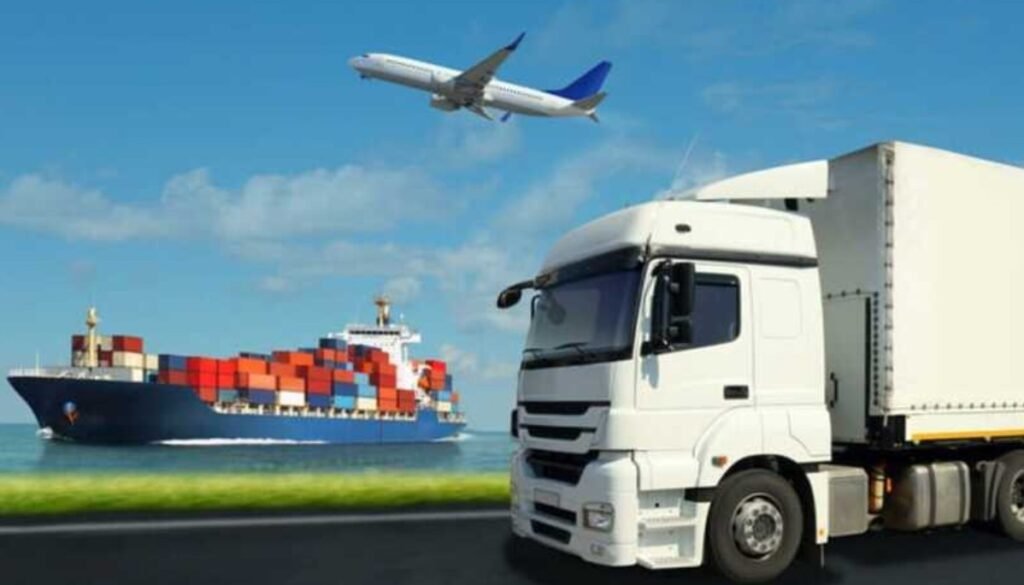
These companies manage everything from local deliveries to interstate trucking and international freight forwarding. They coordinate air, sea, and road transport, offering flexible options that cater to varying business needs. Their ability to adapt to different scales of operation — from small parcels to large industrial shipments — is what sets them apart in an increasingly competitive market.
Technology Driving Freight Innovations
One of the key factors redefining freight logistics in Melbourne is technology integration. GPS tracking, automated warehousing, and digital documentation have drastically improved accuracy and accountability across the supply chain. Artificial Intelligence (AI) and Internet of Things (IoT) systems are now used to predict delays, monitor cargo conditions, and optimize transport routes based on weather or traffic data.
For example, AI-powered predictive analytics can anticipate disruptions and reroute shipments automatically to ensure timely delivery. Blockchain technology is also gaining traction, providing transparent and tamper-proof records of shipments from dispatch to delivery. These innovations contribute to reducing costs, increasing visibility, and improving customer trust.
Geelong’s Growing Freight Connection
While Melbourne leads in logistics innovation, nearby regions like Geelong are emerging as key contributors to Victoria’s transport network. Geelong Transport Companies are increasingly collaborating with Melbourne-based logistics providers to ensure regional connectivity and efficient goods movement.
The Geelong corridor has become a critical route for industries that depend on steady transportation links, especially in manufacturing, agriculture, and construction. Improved road networks, along with access to regional ports and rail terminals, make this region a natural extension of Melbourne’s freight ecosystem.
This partnership between Geelong Transport Companies and metropolitan logistics providers enhances the overall supply chain efficiency. It ensures that even remote or regional areas benefit from the same advanced systems and delivery standards that Melbourne offers.
Sustainable Freight: The Next Big Step
Sustainability has become a key focus for logistics companies across Australia. With growing awareness about environmental responsibility, Freight Companies Melbourne are adopting greener practices to reduce their carbon footprint.
Electric vehicles, alternative fuels, and eco-friendly packaging are increasingly being introduced into freight operations. Some companies have started using electric trucks for short-distance deliveries, while others are investing in fuel-efficient long-haul fleets. Route optimization also plays a major role in sustainability, as it reduces unnecessary mileage and fuel consumption.
In addition, many logistics providers are implementing carbon-offset programs and using renewable energy sources in warehouses and depots. These initiatives not only support Australia’s sustainability goals but also appeal to businesses looking to align with environmentally conscious supply chains.
Challenges in the Freight Sector
Despite the progress, the freight industry faces several challenges. Rising fuel prices, driver shortages, and global supply chain disruptions continue to test logistics resilience. Melbourne’s freight providers, however, have shown adaptability by diversifying transport modes, using data-driven decision-making, and expanding regional partnerships.
Infrastructure development is another ongoing concern. With urban growth and increasing freight volumes, maintaining efficient road and port access remains a top priority. Investments in new logistics hubs and upgraded highways are already underway to meet future demand.
Choosing the Right Freight Partner
For businesses seeking dependable transport solutions, selecting the right logistics partner is crucial. A reliable freight company should offer transparent communication, flexible service options, and advanced tracking capabilities.
When evaluating Freight Companies Melbourne, businesses should look for providers that demonstrate a strong safety record, experienced staff, and technological competence. The same applies when considering Geelong Transport Companies, especially for regional logistics support. Collaborating with such companies ensures timely deliveries and consistent service quality — vital factors in maintaining business continuity and customer satisfaction.
Conclusion
The freight and logistics industry in Melbourne continues to evolve at a rapid pace, blending technology, sustainability, and operational excellence. As the gateway to Australia’s domestic and international trade, the city’s freight companies play an essential role in driving economic activity and ensuring that businesses stay connected across regions.
From Melbourne’s bustling ports to Geelong’s expanding transport links, these logistics providers are redefining efficiency, reliability, and innovation in the freight sector. By embracing digital transformation and sustainable practices, Freight Companies Melbourne and Geelong Transport Companies are not only making shipping faster and easier but also shaping the future of transport in Australia.